
To launch a successful sustainable jewelry business, founders must understand the importance of marrying ethics with aesthetic appeal. A sustainable jewelry business not only caters to a growing consumer demand for eco-conscious products but also contributes to the broader movement toward sustainability in fashion. When potential customers see that a brand prioritizes ethical sourcing, eco-friendly materials, and fair labor practices, they are more likely to support it. In this regard, developing a clear vision aligned with sustainability can distinguish your jewelry line in a crowded marketplace.
One of the first steps to creating a sustainable jewelry business strategy is conducting thorough research into eco-friendly materials. Sustainable options have evolved beyond traditional metals and stones to include lab-grown gemstones, recycled metals, and fair-trade materials. By opting for these alternatives, you send a clear message of commitment to sustainability. Furthermore, consider establishing relationships with suppliers who demonstrate ethical practices and transparency. This level of diligence can enhance your brand’s credibility and strengthen your narrative around sustainability.
Real brand lesson: Mejuri exemplifies the application of sustainable practices. This direct-to-consumer fine jewelry brand has built its reputation through transparency about its materials and ethical sourcing methods. Their emphasis on educating customers about the origins of their pieces and the benefits of lab-grown diamonds illustrates how a sustainable approach can resonate with today's ethically minded shoppers. They not only promote sustainable jewelry but also encourage repeat purchases by establishing trust with their audience.
A comprehensive marketing strategy is crucial for a sustainable jewelry business. You need to communicate clearly how your values align with your consumers' concerns. Utilize social media platforms to spread your message, incorporating storytelling elements to highlight your unique ethical practices. For example, share behind-the-scenes insights into your supply chain or craftsmanship processes. This transparency will help you create deeper connections with customers, nurturing loyalty and fostering a community that believes in your brand vision. Additionally, consider collaborating with eco-conscious influencers who can amplify your message while introducing your jewelry to a wider audience.
Building a robust audience also involves being highly strategic about your pricing models. Model your pricing after the principles outlined in our guide on Pricing Handmade Jewelry for Profit Without Guesswork. Ensure that your pricing reflects the quality and ethical sourcing of your materials while still being competitive. Highlight the benefits of your sustainable practices in your product descriptions to justify the cost. When consumers see the value, they are more likely to choose your brand over others, even if the price point is higher.
Implementing a customer education strategy is another pillar of establishing a sustainable jewelry business. Educate your audience on the benefits of choosing sustainable jewelry, from environmental concerns to social justice. Host workshops, web seminars, or even simple FAQ sections on your website that answer customer concerns regarding sustainability. This proactive approach can convert casual browsers into informed buyers who make responsible purchasing decisions, thereby enhancing customer loyalty over time.
As sustainability becomes a growing concern for consumers, transparency also plays a vital role in your business strategy. Adopting practices that ensure customers are aware of where materials are sourced and how they are processed can greatly enhance trust. For instance, consider making a simple chart that outlines the entire journey of your materials, from procurement to final product. Transparency not only helps with customer trust but can also set a precedent for ethical industry standards, differentiating your brand even further in a competitive marketplace.
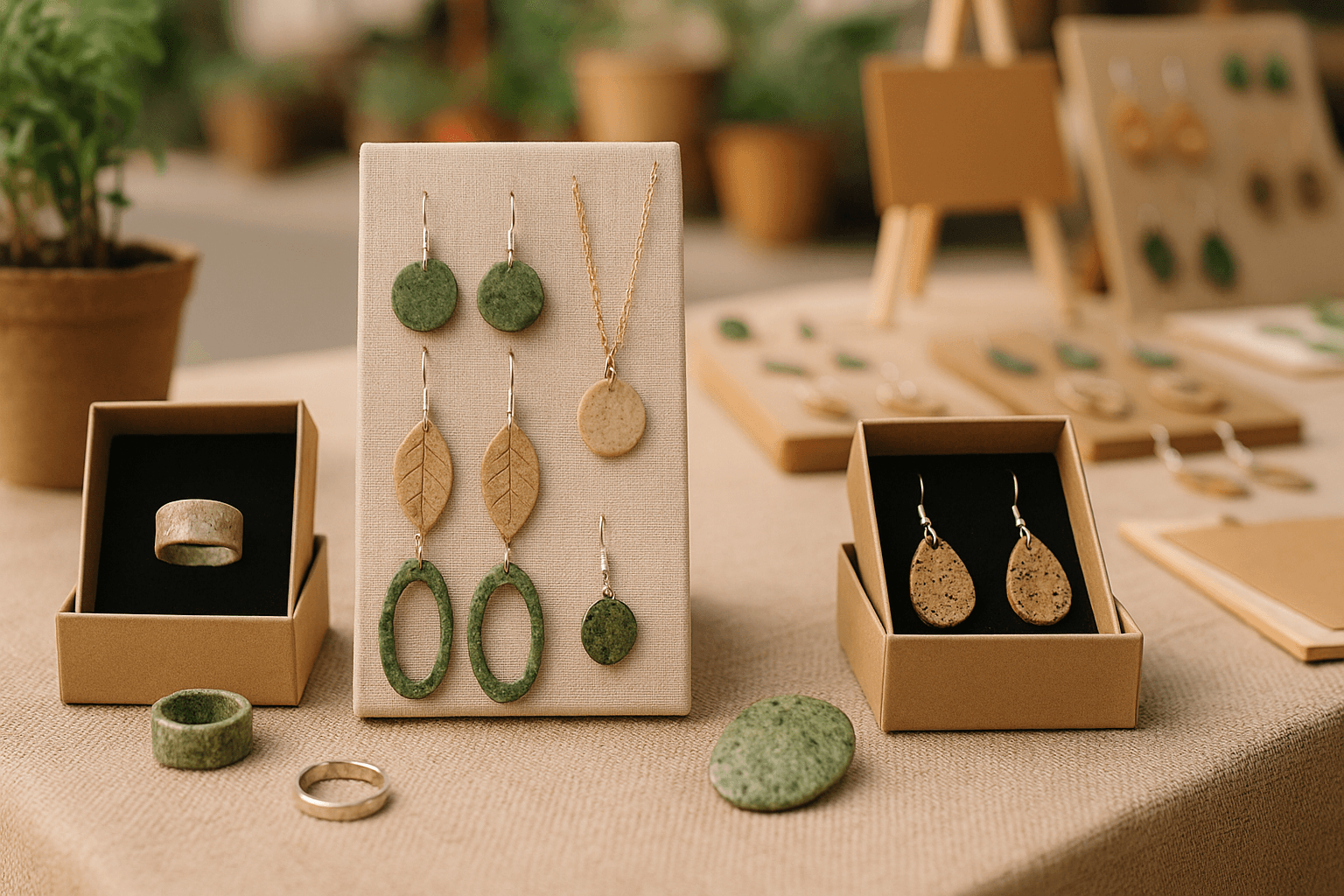
In addition to online marketing efforts, consider participating in local markets or eco-friendly fairs to promote your jewelry brand. These settings provide an excellent opportunity to directly engage with potential customers, allowing them to see your products up close and learn about your sustainable practices firsthand. Create visually appealing displays that tell your brand story, showcasing not just your products but also the values that drive your business. Real-life interactions can generate a level of trust that digital marketing sometimes lacks, translating to increased sales and customer loyalty.
Action points: This week, dedicate time to assess your materials supply chain. Research and partner with suppliers who uphold sustainable practices. Next, develop a detailed marketing content plan that highlights your commitment to sustainability. Create blog posts, social media updates, and educational content that outline environmentally friendly practices and how they benefit consumers. Finally, consider organizing a local event or webinar to engage your audience directly, providing them with the knowledge they need to make informed choices in buying sustainable jewelry.
For a sustainable strategy to thrive, branding is crucial. It’s not just about the product but also about the story you tell. Build a strong brand that clearly articulates its values and, importantly, sticks to them. Be consistent in how these values manifest across your brand’s messaging, visuals, and customer interactions. This consistency not only attracts like-minded consumers but strengthens your overall brand identity as a leader in sustainable jewelry.
To maximize the impact of your sustainable jewelry business, never underestimate the importance of customer feedback. Actively encourage reviews and personal stories from your customers, as these can serve as invaluable tools for planning future collections and adjusting marketing strategies. Implementing a process to collect and analyze feedback not only helps refine your offerings, but can also foster community engagement, creating an inclusive atmosphere where your customers feel heard and valued. Remember, their voices are the essence of your brand’s evolution.
For related reading, How to Start a Jewelry Business From the First Product to First Sale provide practical context for the next decision.
For related authority guidance, SBA 10 steps to start your business and SBA write your business plan provide practical context for the next decision.
Implementation note: turn this guidance into a small written test before changing an entire collection, campaign, or operating process. Choose one product line, customer segment, or working week, record the starting point, and decide what evidence would show that the change is useful. For a jewelry business, that evidence might be fewer pre-purchase questions, stronger conversion on a product page, a healthier gross margin, faster fulfillment, or more repeat orders. Small tests make it easier to learn without creating avoidable inventory, discounting, or customer-service problems.
After the test, keep a simple record of what happened and what you would repeat, adjust, or stop. The founder who reviews real customer behavior, production time, costs, and support questions will make better next decisions than the founder who relies on a single good or bad day. That habit also creates the operational notes needed to improve product pages, train future help, and build a jewelry brand that grows without losing clarity.