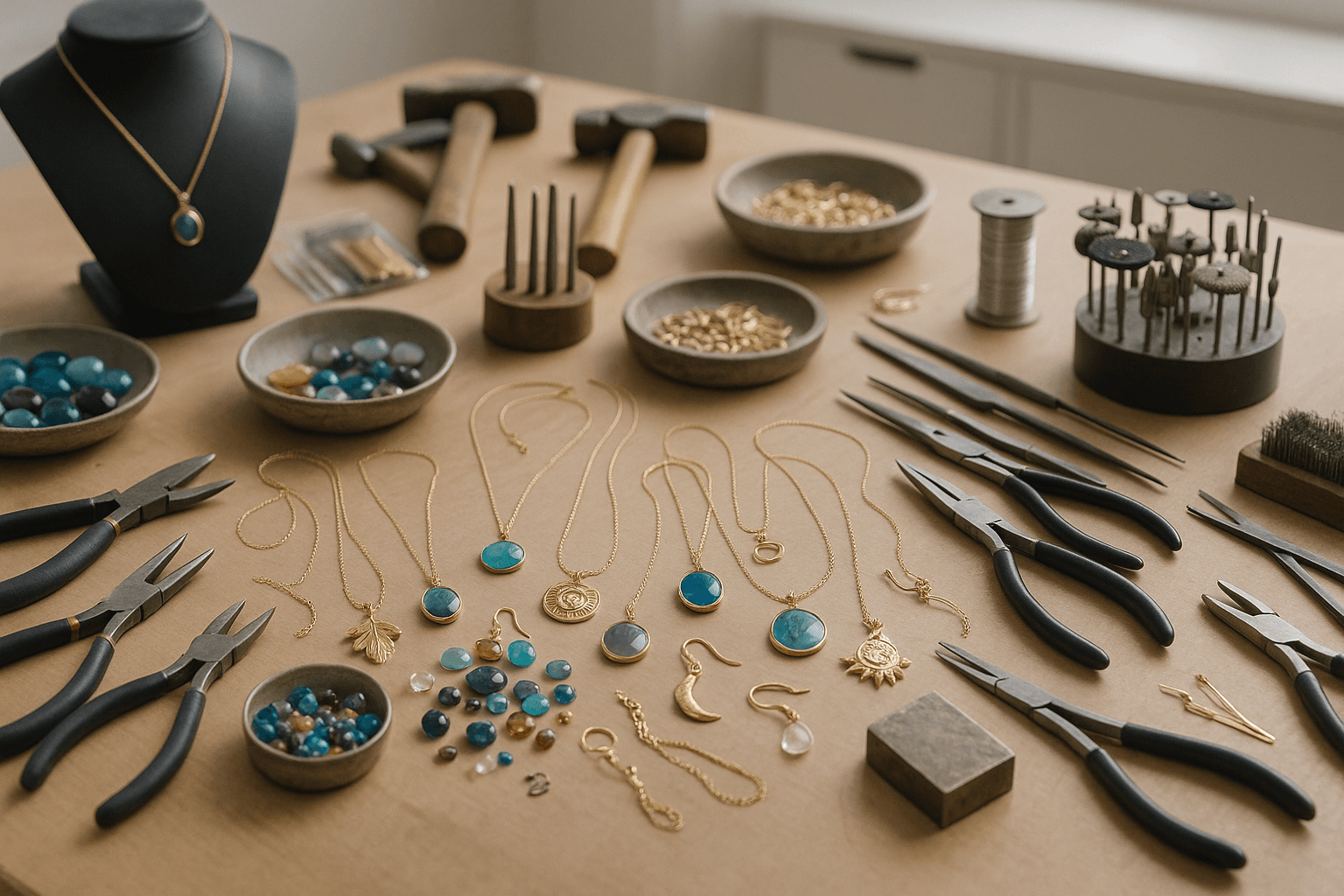
Sourcing materials for jewelry is a critical step in starting and growing your jewelry business. It directly impacts the quality, aesthetics, and pricing of your creations. To successfully navigate this process, you must understand the range of available options—from local suppliers to international manufacturers—and the pros and cons of each. This article will guide you through the essential steps for effective sourcing, ensuring that you select the right materials to align with your brand's vision and market demand.
When embarking on the journey of sourcing materials, start by determining what type of jewelry you plan to create. Will your line feature high-end pieces using precious metals and gemstones, or are you more inclined towards affordable, fashion-forward accessories? Understanding your niche helps narrow your focus and guides you toward suitable suppliers. Moreover, consider the ethical implications of your material choices. Increasingly, consumers are looking for transparency in sourcing methods, so being aware of the origins of your materials will enhance your brand's credibility.
Next, conducting thorough research is key. Use platforms like Alibaba, ThomasNet, or Maker's Row to find vetted suppliers. These platforms not only provide a plethora of options but also allow for comparison among different suppliers in terms of pricing, quality, and minimum order quantities. Don't shy away from reaching out directly to suppliers to ask for samples before making larger commitments. This hands-on approach ensures you assess the materials effectively, gauging their quality and suitability for your designs.
Establishing relationships with local suppliers can be incredibly beneficial. Local sourcing allows for easier communication, more flexibility regarding minimum order quantities, and often a faster turnaround time compared to overseas suppliers. Attend local trade shows or craft fairs to discover potential partnerships. Engaging in face-to-face conversations can also open doors to negotiation on pricing or even unique local offerings that may not be found online. This method also fosters a sense of community and could lead to collaborative opportunities that enhance your brand's visibility.
Another option worth exploring is recycled or upcycled materials. There’s a growing market for sustainable jewelry, and many consumers appreciate brands that incorporate eco-friendly practices. Suppliers specializing in recycled metals can offer you good quality materials while promoting an environmentally conscious ethos. Look for suppliers who provide certifications or documents verifying the recyclability of their materials. This commitment to sustainability can serve as a solid selling point for your jewelry business.
As you finalize your suppliers, it's time to develop a thorough standard operating procedure (SOP) for placing orders and managing inventory. Keeping track of what you've ordered, including quantities and costs, will help you avoid surprises down the line. Consider using inventory management software tailored for small businesses to streamline this process. Setting up a reliable system ensures that materials are available when needed without overstocking, which can tie up funds that could be better used elsewhere in your business.
Real brand lesson: Take the example of Kendra Scott, who started her jewelry business with a relatively small budget by sourcing materials locally. Initially, she collaborated with local artisans to create her first pieces, leveraging community resources to build her brand. This approach not only nurtured her business growth but also forged a strong community connection. Kendra’s focus on local sourcing allowed her to scale her business while maintaining product quality and brand authenticity—a lesson that can inspire any jewelry entrepreneur as they kick-start their journey.
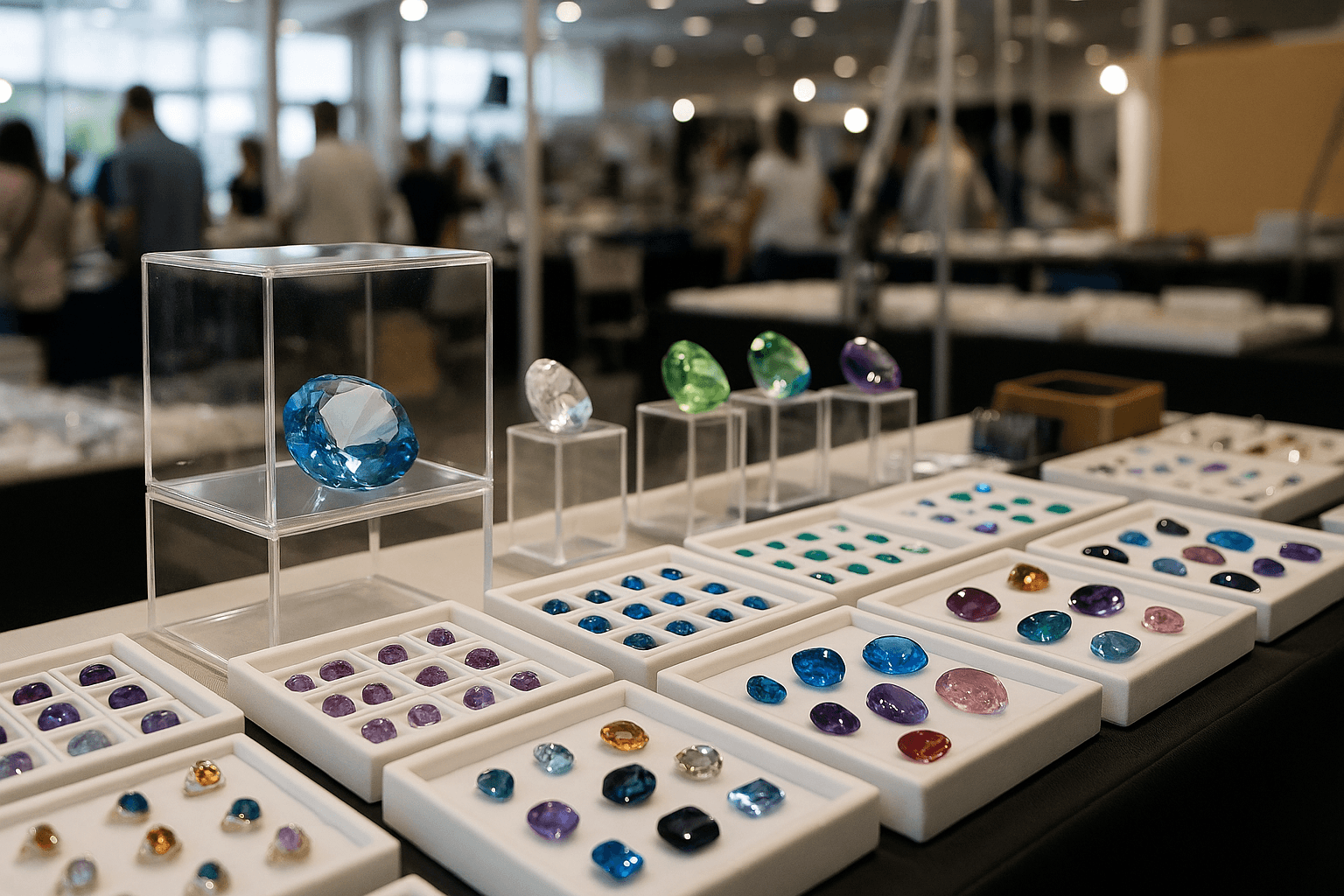
As you build relationships with suppliers and develop your material sourcing strategy, transparency and consistency are critical. Make sure to maintain open lines of communication with your suppliers, as this fosters trust and demonstrates your professionalism. When managing supplier relationships, always be proactive about updating them regarding your needs or any changes in your designs. Consistently communicating your vision and requirements can enhance the quality of your collaborations, leading to better outcomes for both parties involved.
Action points: Start this week by identifying at least three categories of materials you require for your jewelry designs. Use social media platforms such as Instagram or Pinterest for inspiration and ideas about what materials align with your vision. Next, create a list of potential suppliers, both local and online, and reach out to them for samples. Finally, draft a simple SOP for how you will manage your supply orders. Documenting these processes will set you up for smoother operations as your business grows.
In addition to researching for suppliers, consider utilizing educational resources. Check out guides from trusted sites like the Small Business Administration for insights into best practices for small businesses. Moreover, exploring the FTC's jewelry business guidance can ensure that you remain compliant with industry regulations and maintain ethical standards in your sourcing.
Lastly, keep market trends in mind as you source materials. The jewelry industry is continually evolving, and staying updated on what’s in demand can open doors to new opportunities. Use analytical tools to pull insights from social media or fashion trends that may influence consumer preferences. Regularly visiting Google's SEO Starter Guide can also refine your understanding of how to optimize your online presence, making your sourcing decisions more informed and relevant to your audience.
For related reading, How to Start a Jewelry Business From the First Product to First Sale and Pricing Handmade Jewelry for Profit Without Guesswork provide practical context for the next decision.
Implementation note: turn this guidance into a small written test before changing an entire collection, campaign, or operating process. Choose one product line, customer segment, or working week, record the starting point, and decide what evidence would show that the change is useful. For a jewelry business, that evidence might be fewer pre-purchase questions, stronger conversion on a product page, a healthier gross margin, faster fulfillment, or more repeat orders. Small tests make it easier to learn without creating avoidable inventory, discounting, or customer-service problems.
After the test, keep a simple record of what happened and what you would repeat, adjust, or stop. The founder who reviews real customer behavior, production time, costs, and support questions will make better next decisions than the founder who relies on a single good or bad day. That habit also creates the operational notes needed to improve product pages, train future help, and build a jewelry brand that grows without losing clarity.