
In today’s saturated jewelry market, establishing a compelling **jewelry brand identity** is vital for attracting customers and ensuring loyalty. This identity encompasses everything from your logo and color palette to your messaging and the emotional connection you foster with your audience. A well-defined brand identity helps communicate who you are, what you stand for, and how you differentiate yourself from competitors. In this article, we’ll dive into the crucial components of building a strong brand identity that resonates with your ideal clientele and drives sales.
One of the initial steps in crafting your jewelry brand identity is defining your core values and mission statement. Take time to consider what your brand stands for and what it aims to achieve. Are you focusing on sustainability, craftsmanship, or perhaps cultural heritage? By identifying these elements, you lay the foundation for a narrative that can guide your branding decisions in the future. You can even refer to tools provided by the SBA's business planning guide to draft a mission statement that captures your brand essence and creates a strong emotional connection with your audience.
Creating a visual identity is the next critical step in branding. This includes selecting a color scheme, typography, logo, and imagery that aligns with your brand's persona. Colors evoke emotions and can significantly influence customer perceptions. For example, pastel tones often convey a sense of calm and femininity, while bold colors might suggest vibrancy and excitement. Your logo should be simple yet memorable, easily recognizable, and versatile. Consider testing various designs and soliciting feedback until you land on a logo that resonates with your target demographic.
Your jewelry brand’s narrative is essential, as it encompasses the story behind your creations and the journey of how your brand came to be. Real brand story: Kendra Scott is a prominent example of a jewelry business that began with a small budget and local sales. Her authentic story about overcoming obstacles and her commitment to philanthropy helped create a loyal customer base. By sharing your unique journey, you enable customers to connect with you on a personal level, which can lead to stronger brand loyalty and higher sales.
An effective way to communicate your brand story is through content. Blogs, videos, and social media posts can serve as platforms to showcase your creations, discuss your values, and tell personal anecdotes related to your products. Each piece of content should align with your brand identity, reinforcing the image you want to portray. You could even consider using platforms like Pinterest or Instagram to curate a visual portfolio that reflects your aesthetic and style, which can further strengthen your jewelry brand identity.
Your packaging and customer experience should also reflect your brand identity. Whether you opt for eco-friendly materials or luxurious finishes, your packaging plays a significant role in the first impression customers get. This tactile experience can translate to higher perceived value and customer satisfaction. Even the unboxing experience can continue your narrative, encouraging consumers to share their excitement on social media, further extending your brand reach. Always aim to think about how every component of the customer experience reflects your brand identity.
Moreover, consistency is key when building a brand identity. From social media graphics to e-commerce listings and email marketing, ensure that every touchpoint resonates with your established brand identity. Using the same color schemes, fonts, and tone across all platforms helps reinforce brand recognition. It also assures potential customers that your brand is professional and trustworthy, enhancing the likelihood of conversions. For e-commerce setups, maintaining visual uniformity will help you create an aesthetically cohesive online store that appeals to users' sensibilities.
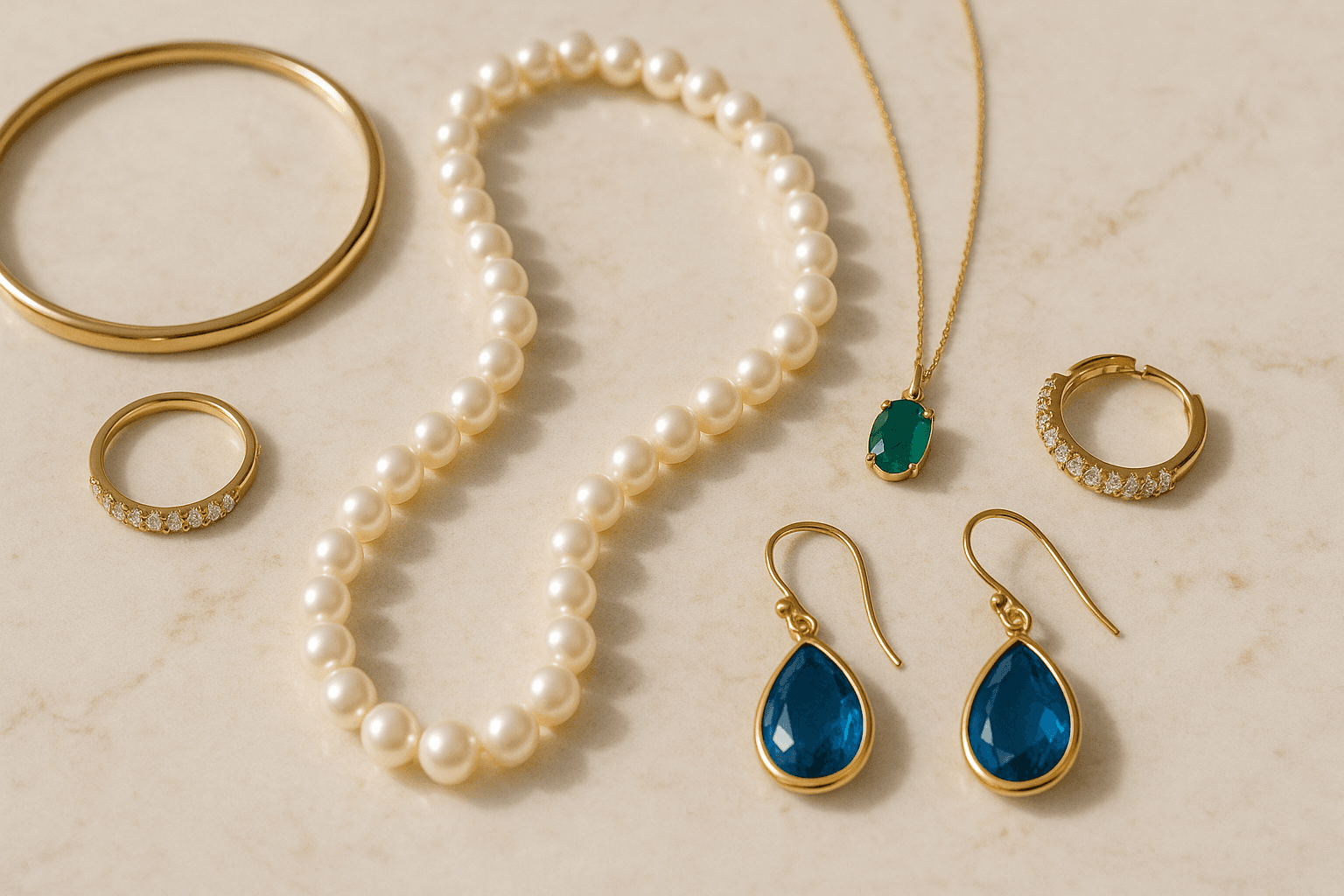
When entering local markets, having a strong brand identity allows you to establish meaningful connections with your community. Consider collaborating with local artists, hosting pop-up events, or engaging with nearby businesses. Your brand can become well-integrated into the local culture, boosting community engagement and sales. Rather than just being another vendor, your brand becomes synonymous with local artistry and values, creating a loyal customer base standing behind your story.
Action points: This week, take time to draft a mission statement that reflects your values as a jewelry brand. Ask yourself what problems your jewelry solves or what emotions you want to evoke through your pieces. Next, explore local artists whose work aligns with your vision and consider potential collaborations for upcoming events. Lastly, polish your social media and website visuals to ensure consistency across all platforms.
SEO should be a priority within your branding strategy. Ensure that your website is optimized for relevant keywords to increase visibility. For a jewelry brand, terms like “custom jewelry,” “handmade rings,” or “unique necklaces” could be crucial. Use tools like the Google SEO Starter Guide to optimize your website for search engines, driving more organic traffic, and elevating your brand’s online presence.
In addition to visual branding, never underestimate the power of storytelling in marketing. Customers are drawn to brands that resonate with them on a personal level. Stories about your inspirations, the materials you use, and the artisans behind your jewelry should be highlighted in promotional materials. For instance, are your pieces made from ethically sourced materials? Make this known, as transparency can build trust and loyalty among your customers, significantly impacting your brand's reputation in an increasingly conscious market. By effectively showcasing your narrative, you can differentiate your brand in the competitive jewelry landscape.
For related reading, How to Start a Jewelry Business From the First Product to First Sale and Pricing Handmade Jewelry for Profit Without Guesswork provide practical context for the next decision.
Implementation note: turn this guidance into a small written test before changing an entire collection, campaign, or operating process. Choose one product line, customer segment, or working week, record the starting point, and decide what evidence would show that the change is useful. For a jewelry business, that evidence might be fewer pre-purchase questions, stronger conversion on a product page, a healthier gross margin, faster fulfillment, or more repeat orders. Small tests make it easier to learn without creating avoidable inventory, discounting, or customer-service problems.
After the test, keep a simple record of what happened and what you would repeat, adjust, or stop. The founder who reviews real customer behavior, production time, costs, and support questions will make better next decisions than the founder who relies on a single good or bad day. That habit also creates the operational notes needed to improve product pages, train future help, and build a jewelry brand that grows without losing clarity.