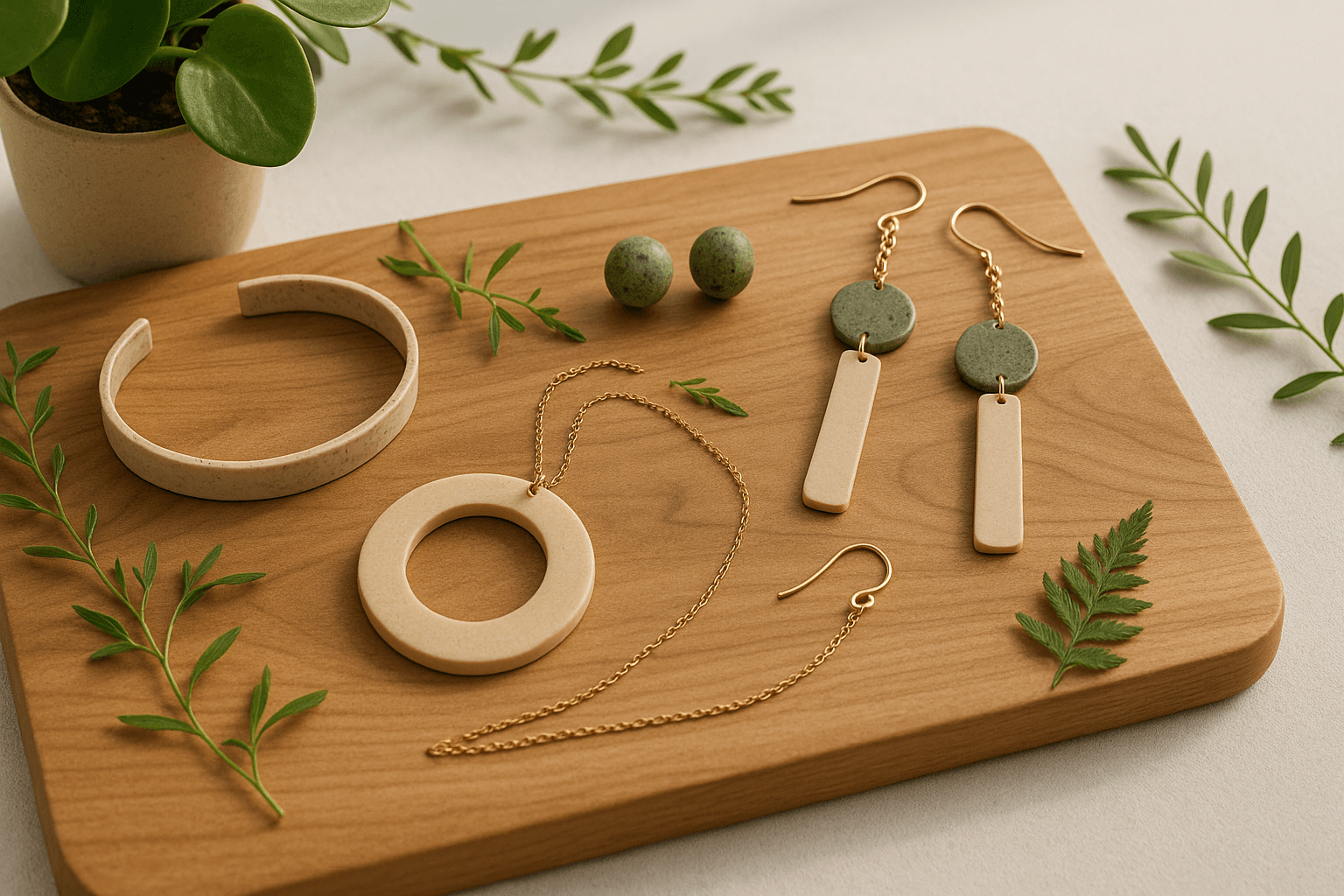
In today's market, establishing a sustainable jewelry brand is not just a trend, but a necessity for connecting with increasingly eco-conscious consumers. A sustainable jewelry brand appeals to individuals who prioritize ethical production and environmentally friendly materials. Starting this journey involves more than selecting eco-friendly materials; it requires a holistic approach that encompasses sourcing, production, marketing, and customer engagement. Implementing strong ethical practices not only builds brand loyalty but helps you stand out in a crowded marketplace where consumers are becoming more discerning about their purchases.
The first step in creating a sustainable jewelry brand is often sourcing materials responsibly. Consider using recycled metals and ethically mined gemstones as these choices can significantly lower your environmental impact. Collaborating with suppliers who adhere to sustainable practices is another crucial aspect; this might involve obtaining certifications or directly visiting suppliers to ensure they align with your brand's values. Building a transparent supply chain creates trust with your customers and reinforces your commitment to sustainability. You can find more information on responsible sourcing here.
Designing your product range with sustainability in mind is equally important. Not all sustainable materials have the same durability or aesthetic appeal. It's essential to balance sustainability with timeless design. Jewelry that can be worn for years, rather than trendy pieces that might fall out of favor, promotes a culture of intentionality in fashion. Create designs with longevity and versatility, so consumers feel inclined to invest. Brands like Mejuri exemplify this by frequently updating their collections, educating consumers about the materials and craftsmanship that goes into their pieces.
When it comes to production, the processes you choose can either hinder or enhance your brand's sustainable credentials. Opt for local production whenever feasible. Not only does this reduce carbon footprints associated with shipping, but it also helps you support local artisans. Employing methods like low-waste techniques can diminish surplus material and enhance your brand's sustainability efforts. Leveraging workshops that empower artisans, particularly in marginalized communities, can create a unique selling proposition for your brand without compromising on ethical practices.
Throughout your branding and marketing efforts, it's vital to communicate your sustainable ethos effectively. Transparency about your sourcing, production methods, and even your pricing structures can differentiate your brand in a cluttered marketplace. Consider creating content that illustrates your journey. For instance, behind-the-scenes videos showcasing your crafting processes or interviews with your suppliers not only engage consumers but foster a deeper connection with them. This narrative of sustainability can also significantly bolster your SEO strategy as unique content draws organic traffic. You might want to explore more about creating an engaging marketing plan here.
Real brand lesson: Look to Catbird, a Brooklyn-based jewelry shop that prioritizes ethical practices and sustainability. Their journey started small; focused on sourcing materials responsibly and building a recognizable brand identity through quality craftsmanship, their approach has resonated deeply with eco-conscious consumers. Catbird's commitment to transparency is reflected in their storytelling, which creates a loyal customer base while also paving the way for expansion. Learning from such stories can inspire new jewelry founders to adopt similar paths in their sustainable business journeys.
Once you've established your sustainable practices, it's time to promote your brand effectively. Utilize various channels, from social media to collaborations with influencers who align with your brand values. Educate potential customers on the environmental footprint of jewelry production and how your brand mitigates these issues. For example, you could spotlight your choice of sustainable materials or your support for fair labor practices. Consider offering virtual workshops or Q&A sessions to engage your audience directly, allowing them to connect with your ethos on a personal level and understand the difference their purchases make.

As you build your sustainable jewelry brand, consider incorporating a circular business model. This might involve offering take-back programs where customers can return their old jewelry for recycling or repurposing. Not only does this minimize waste but it also encourages continual engagement with your brand. Offering repair services for damaged jewelry can also create loyalty; customers appreciate brands that care about their products long after the initial purchase. Channels like email newsletters can be effective for communicating these initiatives and keeping customers informed about sustainability efforts.
Another key aspect of a sustainable jewelry brand is maintaining compliance with appropriate regulations. The Federal Trade Commission (FTC) offers guidelines on marketing and labeling jewelry products, which can ensure your practices are above board. Awareness of regulations like the FTC Jewelry Guides can help you navigate this complex landscape while reinforcing your brand's commitment to honesty and integrity. Compliance not only protects your brand but enhances its credibility, a critical factor in earning consumer trust.
Action points: This week, take concrete steps to enhance your sustainable practices. Start by mapping out your supply chain; identify areas for improvement in sourcing or production. Research and connect with local artisans for potential collaborations or partnerships. Develop a content plan to boost the storytelling aspect of your brand, focusing on key sustainable initiatives. Finally, explore digital platforms for promoting sustainability-focused workshops or consumer education sessions. These actions will strengthen your brand's identity, creating not just a product but a meaningful narrative for your consumers.
For related reading, How to Start a Jewelry Business From the First Product to First Sale provide practical context for the next decision.
For related authority guidance, SBA 10 steps to start your business provide practical context for the next decision.
Implementation note: turn this guidance into a small written test before changing an entire collection, campaign, or operating process. Choose one product line, customer segment, or working week, record the starting point, and decide what evidence would show that the change is useful. For a jewelry business, that evidence might be fewer pre-purchase questions, stronger conversion on a product page, a healthier gross margin, faster fulfillment, or more repeat orders. Small tests make it easier to learn without creating avoidable inventory, discounting, or customer-service problems.
After the test, keep a simple record of what happened and what you would repeat, adjust, or stop. The founder who reviews real customer behavior, production time, costs, and support questions will make better next decisions than the founder who relies on a single good or bad day. That habit also creates the operational notes needed to improve product pages, train future help, and build a jewelry brand that grows without losing clarity.