
In the competitive world of jewelry, establishing a strong brand story can be your differentiator. **Jewelry brand storytelling** intertwines your products with emotional narratives that resonate with customers. This deep connection often goes beyond aesthetics, tapping into customers' values, aspirations, and experiences. By sharing your journey, your inspirations, and even the craftsmanship behind your pieces, you invite customers into your world and build a community around your brand. The stronger the story, the more likely they’ll choose your jewelry over others in the marketplace.
A compelling brand story starts with authentic roots. Take a lesson from brands like **Mejuri**, which is well-known for its direct-to-consumer model and focus on frequent product releases. They leverage storytelling to convey their mission of making fine jewelry accessible to everyone. This approach has effectively positioned them at the forefront of modern jewelry consumers’ minds. Your origin story should encompass elements such as why you started crafting jewelry, the values that guide your business philosophy, and any unique challenges you’ve overcome. This creates a narrative that customers can relate to.
Finding your brand’s voice is crucial. This voice should reflect not only the essence of your products but also the emotions and experiences you want to evoke in your customers. Ask yourself: What feelings do I want my audience to associate with my jewelry? Whether it’s joy, nostalgia, or empowerment, ensuring your brand voice aligns with this vision will help maintain consistency across all your marketing channels. This consistency is key for building trust and loyalty with your audience.
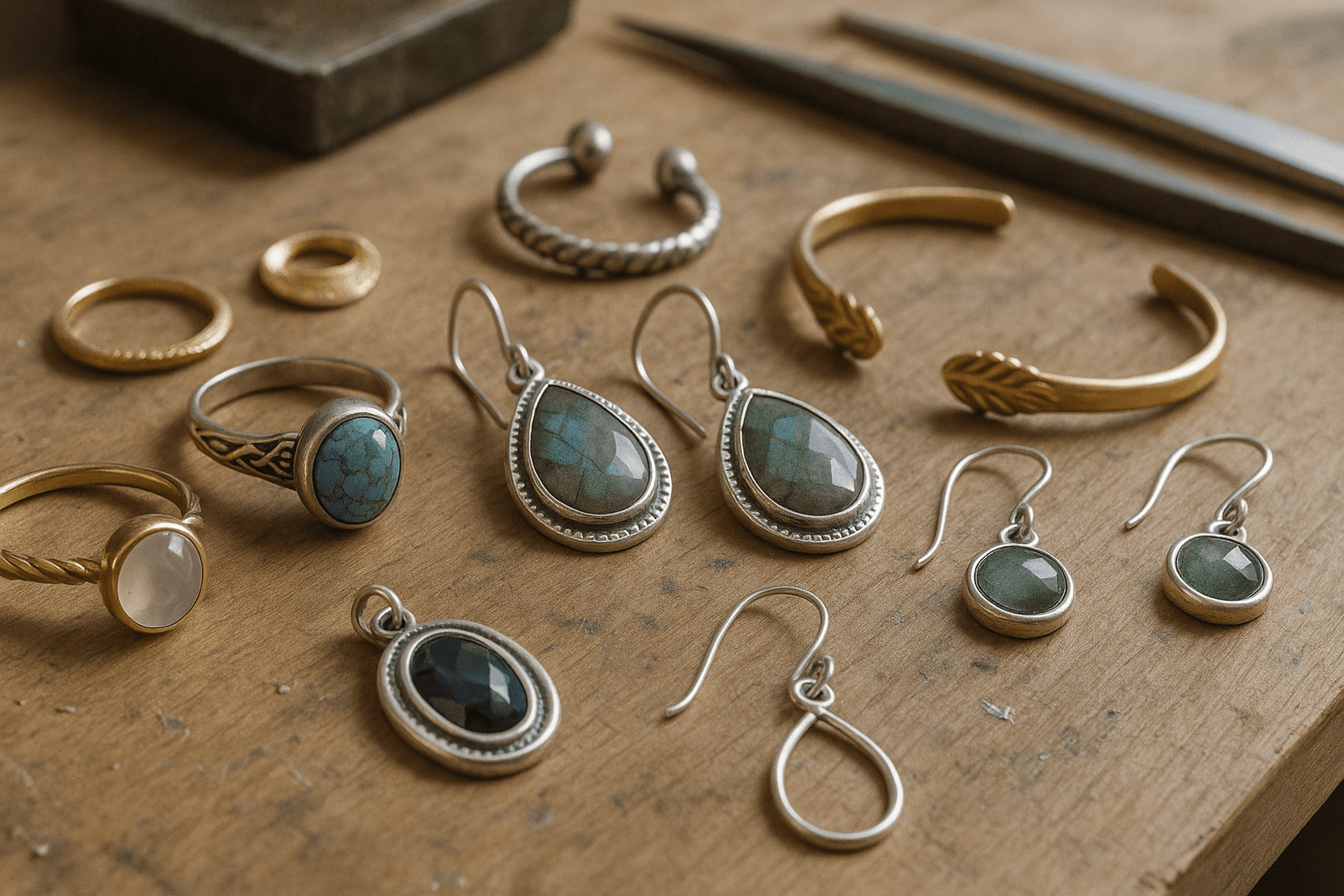
Visual storytelling can take your narrative to the next level. High-quality imagery plays a pivotal role in conveying your brand story, allowing customers to see not just your products, but the artistry and craftsmanship that go into each piece. Ensure your product photography reflects your brand's aesthetic—this could be through the choice of colors, backdrops, or stylistic elements. For practical tips on enhancing visual appeal, check out this guide on how to craft a simple marketing plan for your jewelry brand.
Social media platforms, especially Instagram and Pinterest, provide excellent avenues for storytelling. Utilize these channels to share behind-the-scenes content—think production photos, material sourcing, and crafting processes. These insights bring your customers into your studio, making them feel part of your journey. Stories that highlight customer experiences—like wearing your pieces on memorable occasions—can further deepen this engagement. User-generated content can also be a powerful tool for showcasing your pieces through the eyes of your clients.
Real brand story: Consider **Catbird**, a Brooklyn-based jewelry shop built around sustainable practices and local craftsmanship. They share their commitment to ethical sourcing and unique designs through compelling storytelling that emphasizes their mission. Catbird has created a recognized identity that customers not only trust but admire for its dedication to both style and sustainability. This kind of storytelling unites their customers around shared values, fostering a community of like-minded individuals who appreciate not just the product, but the ethos behind it.
Integrating storytelling into your product descriptions can significantly elevate your marketing strategy. Start each description with a narrative—perhaps a personal anecdote about why you chose a specific design or the inspiration behind the materials used. Customers appreciate a story that ties their purchases to memorable moments or offers insight into the creative process. Enriching product descriptions with storytelling not only makes them more engaging but helps customers visualize how your jewelry might fit into their lives.
Your brand’s mission and values should be consistently woven into your storytelling. Whether on your website, in marketing emails, or during customer interactions, this form of consistency builds a coherent brand image. Incorporate elements of your mission into every campaign. If sustainability is part of your philosophy, highlight it at every opportunity. Customers are more inclined to support brands that align with their values, which is especially true in today’s marketplace, where consumers seek authenticity.
Action points: This week, take the time to outline your brand story. Draft your origin, your mission statement, and the emotional touchpoints you want to communicate. Share these thoughts with a small group for feedback, and use their insights to refine your narrative. Experiment with your product descriptions by weaving these stories in and measuring customer engagement. Monitor social media responses to understand how well your narrative is resonating and adjust accordingly. These actionable insights can foster a richer customer relationship that goes beyond just a transaction.
Finally, don’t underestimate the power of partnerships and collaborations. By working with influencers or artists whose values align with yours, you can effectively amplify your story. Such collaborations can introduce fresh perspectives to your brand narrative and expand your reach within the jewelry community. Partnering with individuals who embody your brand’s essence enriches storytelling and creates buzz, drawing attention to your products. Whenever possible, incorporate stories about these collaborations into your brand narrative, further enhancing your community engagement.
Incorporating storytelling into your jewelry brand strategy will not happen overnight. It requires authenticity, creativity, and a willingness to evolve. Use these tools to craft narratives that not only highlight your aesthetic but transform your customer’s relationship with your brand into something more meaningful. Remember that at the heart of every successful brand is a powerful story waiting to be told.
For related reading, How to Start a Jewelry Business From the First Product to First Sale provide practical context for the next decision.
For related authority guidance, SBA 10 steps to start your business and SBA write your business plan provide practical context for the next decision.
Implementation note: turn this guidance into a small written test before changing an entire collection, campaign, or operating process. Choose one product line, customer segment, or working week, record the starting point, and decide what evidence would show that the change is useful. For a jewelry business, that evidence might be fewer pre-purchase questions, stronger conversion on a product page, a healthier gross margin, faster fulfillment, or more repeat orders. Small tests make it easier to learn without creating avoidable inventory, discounting, or customer-service problems.
After the test, keep a simple record of what happened and what you would repeat, adjust, or stop. The founder who reviews real customer behavior, production time, costs, and support questions will make better next decisions than the founder who relies on a single good or bad day. That habit also creates the operational notes needed to improve product pages, train future help, and build a jewelry brand that grows without losing clarity.