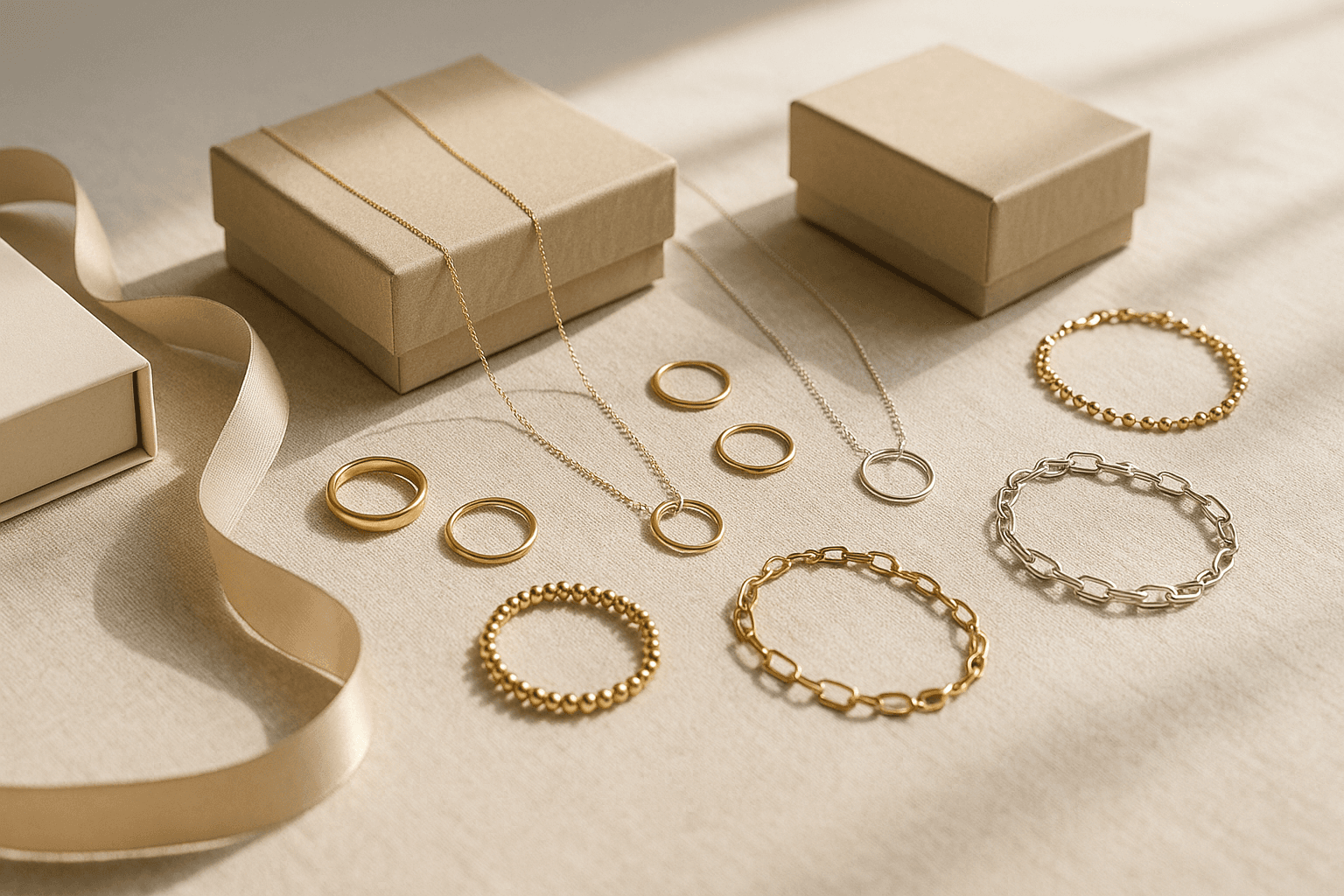
Email marketing is a powerful tool that can greatly benefit jewelry businesses by promoting products, increasing sales, and engaging customers. In a world brimming with social media and online content, email remains one of the highest ROI channels available for businesses. Jewelry brands can harness this tool to launch targeted campaigns that resonate with their audience. Focusing on effective email marketing for jewelry will not only improve sales, but also cultivate long-lasting relationships with your customers, fostering loyalty and repeat purchases.
Building a quality email list is the first and foremost step towards successful email marketing. Start by encouraging website visitors to subscribe; this can be achieved through enticing offers, such as discounts or exclusive previews of new products. Additionally, leveraging sign-up forms at in-person events, local markets, and jewelry fairs can broaden your reach. It's crucial to ensure that you’re transparent about how subscriber information will be used, and always comply with regulations like the GDPR for protecting customer data. Having a robust list is the foundation on which all further email marketing efforts will rest.
Segmentation of your email list is essential for effective targeting. By dividing your subscribers into distinct groups based on their preferences, purchasing behavior, and demographics, you can tailor your messages to align with their interests. For example, you can send different offers to customers who primarily purchase earrings versus those who buy necklaces. Specific recommendations drive engagement rates and conversions significantly higher than generic broadcasts. Moreover, consider implementing a tagging system to refine your audience segments further; this allows for customized content that enhances user experience and fosters engagement.
The design of your email plays a vital role in capturing your audience's attention. Since jewelry is a visual product, using stunning imagery is key. Opt for high-quality images that highlight the craftsmanship and detail of your pieces. A visually appealing layout that’s easy to navigate encourages customers to explore more of what you offer. Ensure your emails are mobile-optimized for smartphones since many users check their emails on mobile devices. Tools like Mailchimp or Klaviyo provide templates that are responsive and user-friendly, enabling you to focus on the content while they handle design.
Content is king in email marketing, and jewelry brands should leverage storytelling to engage their audience. Share the inspiration behind a new collection or highlight the artisans involved in the creation process. This approach personalizes your brand and makes your subscribers feel more connected to your products. Additionally, consider including customer reviews and testimonials to establish credibility. Audience engagement can also be enhanced by asking for subscriber feedback or opinions on new designs or upcoming pieces, further encouraging interaction and fostering community.
Action points: This week, take concrete steps to improve your email marketing strategy. Begin by researching and selecting an email marketing platform that suits your needs, such as Mailchimp or Klaviyo. Next, create a lead magnet to incentivize user sign-ups, such as a 10% off coupon for first-time buyers. Additionally, start planning your first segmented email campaign by outlining content that tells a story about a specific collection. Lastly, draft a promotional email featuring a stunning design and compelling subject line to engage your current subscribers promptly.
Automating your email marketing processes can save you considerable time and effort, allowing you to focus on core business operations. Automation tools enable you to set up a series of emails designed to nurture leads, welcome new subscribers, or promote seasonal collections. For instance, a welcome series can introduce your brand, showcase your best-sellers, and explain the benefits of subscribing to your updates. This ensures that your subscribers receive timely information based on their journey with your brand, maximizing the chances of conversion.

Analytics is an indispensable component of tracking the effectiveness of your email marketing campaigns. Utilize the analytics tools available on your email platform to monitor open rates, click-through rates, and conversions. This data will give you insight into what works and what doesn’t. For example, if you notice that a particular type of subject line yields a higher open rate, consider replicating that style for future campaigns. A/B testing can be another valuable strategy; by experimenting with different layouts, subject lines, and send times, you can refine your approach to boost engagement and sales significantly.
Real brand lesson: Mejuri is a remarkable example of successfully employing email marketing strategies within the jewelry sector. They frequently send curated product recommendations based on previous purchases, appealing directly to the shopper's interests while encouraging repeat sales. By maintaining a consistent voice and engaging storytelling in their emails, Mejuri not only showcases new pieces but builds a loyal community around their brand. This approach goes beyond mere commerce, cultivating a deeper connection between the brand and its customers. Other jewelry businesses can learn from Mejuri’s emphasis on personalized, meaningful communication and its impact on customer retention.
Integrating customer feedback into your emails is an invaluable opportunity to foster a two-way relationship. Regularly ask for feedback about new products or marketing campaigns; this will not only provide you with insights to improve your offerings but also make your customers feel valued. Surveys can be effective tools for gauging preferences and sentiments. When subscribers see their input reflected in your brand, it heightens their loyalty and encourages them to share their experiences with others.
For related reading, How to Start a Jewelry Business From the First Product to First Sale and Pricing Handmade Jewelry for Profit Without Guesswork provide practical context for the next decision.
For related authority guidance, SBA 10 steps to start your business and SBA write your business plan provide practical context for the next decision.
Implementation note: turn this guidance into a small written test before changing an entire collection, campaign, or operating process. Choose one product line, customer segment, or working week, record the starting point, and decide what evidence would show that the change is useful. For a jewelry business, that evidence might be fewer pre-purchase questions, stronger conversion on a product page, a healthier gross margin, faster fulfillment, or more repeat orders. Small tests make it easier to learn without creating avoidable inventory, discounting, or customer-service problems.
After the test, keep a simple record of what happened and what you would repeat, adjust, or stop. The founder who reviews real customer behavior, production time, costs, and support questions will make better next decisions than the founder who relies on a single good or bad day. That habit also creates the operational notes needed to improve product pages, train future help, and build a jewelry brand that grows without losing clarity.